
Posted last updated: April 20, 2026
Which payment method works better? Two common options are instant ACH payments and traditional wire transfers. Both move funds electronically, but they serve very different business needs.
If you’re running a business in California, recognize how fast money moves can make a big difference. For example, if you’re paying a tech team in some city in California or a construction crew in San Diego, you need that money to land exactly when you say it will.
Understanding how each one works can help California businesses choose the right payment method without adding unnecessary costs or delays.
Why Payment Speed Matters in California?
California has one of the largest and most active business economies in the United States. Companies often work with suppliers, freelancers, logistics partners, and service providers who expect fast payment. Late payments can create actual problems:
- project delays
- paused deliveries
- strained vendor relationships
- cash‑flow interruptions
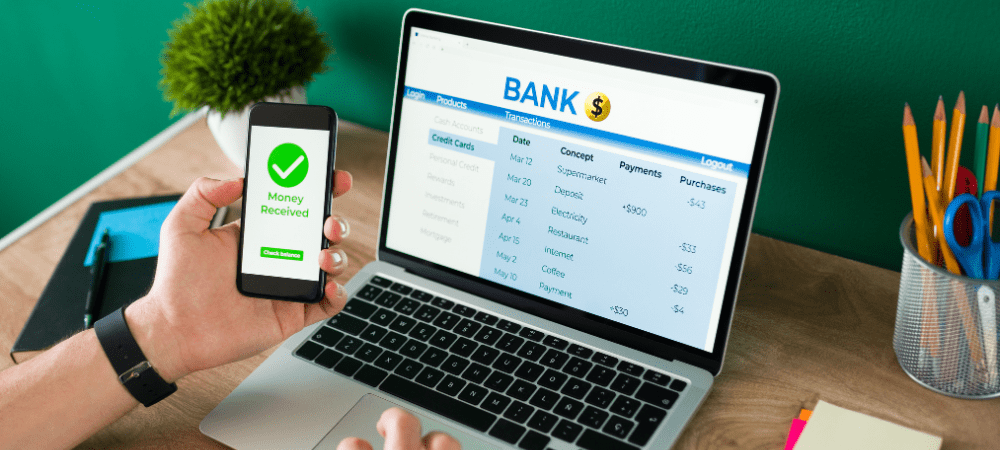
Because of this, many businesses are now shifting toward ACH instant payment solutions that allow funds to arrive much faster than traditional bank transfers.
But speed alone isn’t the only factor. Cost, reliability, and ease of use also play a big role. Right?
What is an instant ACH payment?
If you’ve ever sent a standard bank transfer, you know how it works: you hit send on Monday, and the money finally shows up on Wednesday, if you’re lucky, and yes, that is the reality. An instant ACH payment flips that script. It still uses the same secure “Automated Clearing House” network that banks have used for decades, but it moves at a much higher speed.
Instead of waiting days, the money can arrive on the same business day. Here is the part most people don’t know is NACHA (National Automated Clearing House Association), which is the group that runs the network, has three specific “settlement windows” throughout the day. If you get your payment in before the afternoon cutoff, usually around 1:45 PM PST for us in California, then the funds are settled and available by the time your recipient finishes their workday.
It’s the perfect middle ground for a California business. You get the professional “paper trail” and low cost of a traditional bank transfer, but with the “I need it now” speed that modern business demands.

Business Mobile Payment Setup for Fast Transactions
What is a wire transfer?
Wire transfers are the “traditional way” in the financial world. They’ve been around since the telegraph days, and they work by sending a direct message from one bank to another. Unlike an ACH instant payment, which is processed in batches with thousands of other transactions, a wire is a “one-to-one” deal. It’s a dedicated, individual transfer.
The biggest thing to remember about wires is their “finality.” In the banking world, a wire is like handing someone a suitcase full of cash. Once that money hits the other account, it is almost impossible to get back. There is no “undo” button. That’s why banks charge so much: because they require more manual oversight and carry a lot of weight. While an ACH instant payment has rules that allow for certain reversals if there’s a mistake, a wire is a one-way street. Once you hit send, that’s the end of the story.
Choosing the Right Payment Strategy
If you’re running a fast-growing company in California, the goal isn’t necessarily to pick one method and delete the other. The smartest business owners I know use a “blended” strategy. They don’t just use one tool for everything; they use the right tool for the specific job.
Use an instant ACH payment for the “Day-to-Day”
For 90% of your business, an instant ACH payment is going to be your best bet. Think about your recurring costs:
- Making sure your team is paid on time without spending $30 per employee on wire fees
- Paying your regular suppliers in San Francisco or anywhere without the “wire tax”
- Keeping your freelancers happy with same-day transfers
The big news that many people miss is that the limit for a single ACH instant payment is now at least $1 million. That means even for significant business deals or large inventory orders, you don’t have to default to a wire. You can keep those high-speed, low-fee transactions moving all day long while staying within the security rules we talked about above.

Checking Business Payment Status on Mobile Banking App
Save Wire Transfers for the “Big Moments“
Even with the speed of an instant ACH payment, there are still times when a traditional wire is the way to go. Wires are built for “finality.”
- Real Estate & Escrow: If you’re closing on a new office, the title company is likely going to demand a wire. They need that “guaranteed” cash immediately.
- Massive International Deals: If you’re buying hardware from an overseas manufacturer, an international wire is often the only language they speak.
- Seven-Figure Transfers: If you’re moving more than $1 million in a single shot, a wire is still your primary option.
Final Thoughts
Both wire transfers and instant ACH payment systems have a place in your financial toolkit. But the real “pro move” for California businesses is knowing exactly when to use each one to protect your cash flow.
If you are managing a high-growth startup or a busy service business, you can’t afford to let bank fees eat your lunch. For most of your daily operations, like paying your recurring vendors or handling weekly payroll, an instant ACH payment hits that “sweet spot.” It gives you the speed you need to keep your partners happy.

Business Partnership and Payment Trust Agreement
Wires aren’t going away, and they shouldn’t. They are still the tools you pull out for those high-value, high-stakes moments like buying property or sending seven-figure sums. But they are no longer the only way to move money fast in the Golden State.
As payment technology gets better and better, the companies that win are the ones that stay flexible. By leaning on ACH instant payments for your day-to-day hustle, you keep your overhead low and your money moving at the speed of the California market. It’s a simple change, but it’s one that gives you a serious advantage in an environment where every minute (and every dollar) counts.
FAQ
Instant ACH is usually used for everyday payments. It’s faster and cheaper. Wire transfers are better for larger amounts when you need the money sent directly from one bank to another.
Because delays can mess things up, projects get pushed back, deliveries stop, and it can affect relationships with suppliers. Cash flow also becomes a problem if money is stuck.
Most of the time, it can arrive on the same business day, depending on what time you send it.
Wire transfers go one by one, directly between banks. ACH payments are grouped together and processed in batches.
Not really. Once it’s sent and received, it’s very hard to get the money back.
For regular payments like payroll, paying suppliers, or freelancers, basically when you need it done fast but don’t want to pay high fees.
For things like real estate, international deals, or sending very large amounts of money.
Yes, it can. It can now handle up to around $1 million, so it works for many large transactions too.
Use instant ACH for daily payments, then use wire transfers only for big or more critical transactions.
California ACH Instant Payments: Are Your Funds Protected?
A blog post by Jean De La Pena Team Leader, Djobzy Philippines and MD. Abdur Rahim an IT veteran with 15+ years of experience transforming technical challenges into digital opportunities. You can explore more onMD. Abdur Rahim’s profile and the Djobzy website. Want a deeper dive into Djobzy Bangladesh and what makes it so cool read more here.
0 Comments